At the start, adding more always feels right. More visuals, more text, more elements to make everything look full and impressive.
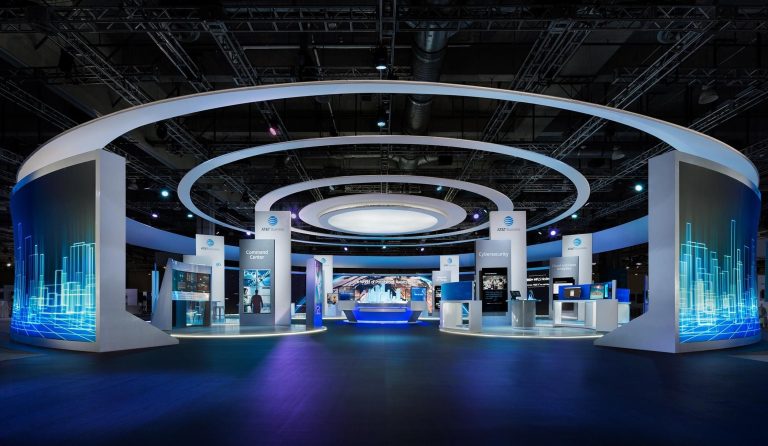
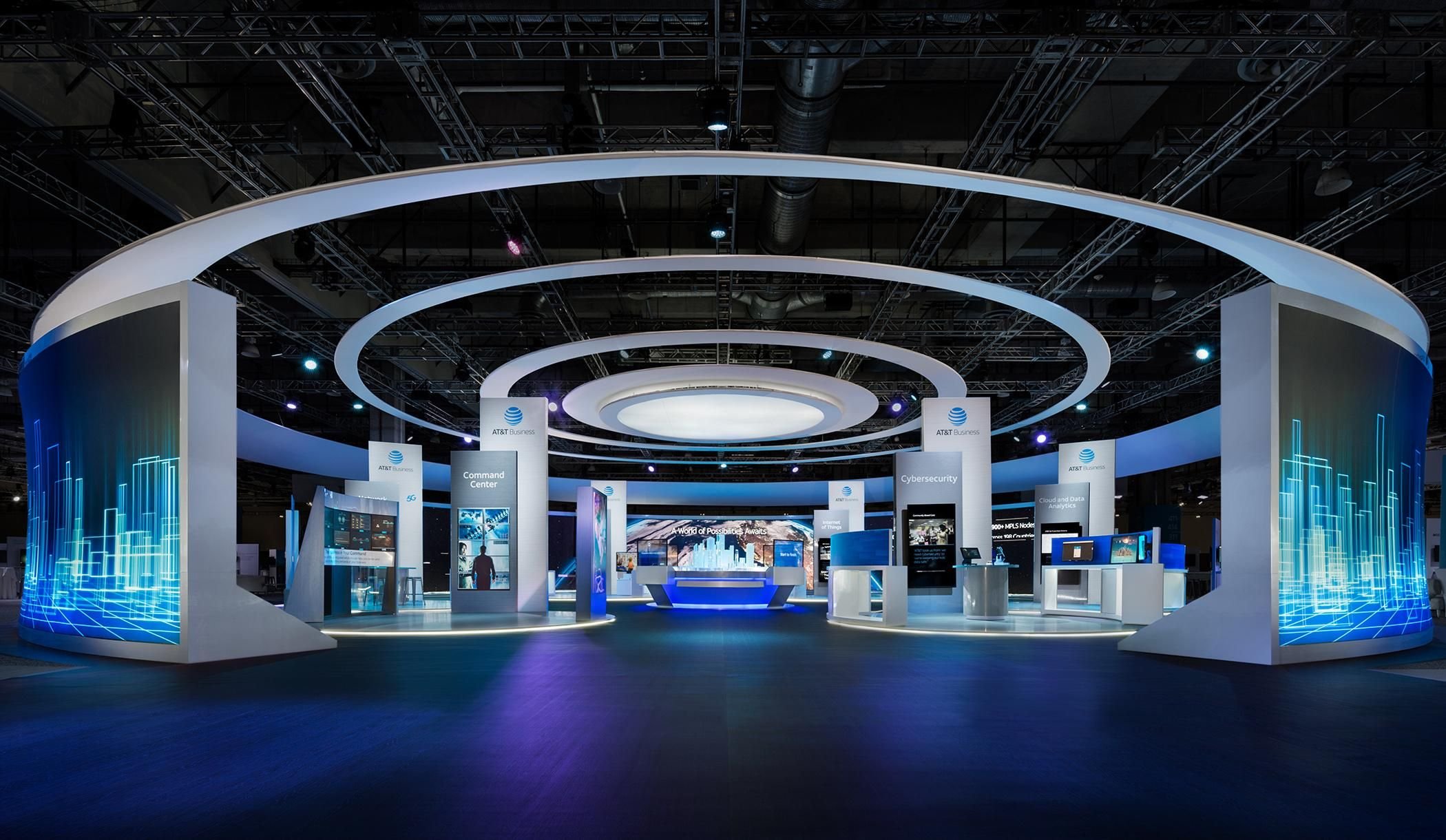
But once the setup is actually placed at an event, it can feel a bit heavy. Not in a good way. Just crowded.
A setup built with a trade show display depot idea might look great during planning, but in a real environment, too many elements start competing. They look at it briefly, try to understand what’s going on, and then just move along since nothing stands out. That’s usually the point where uncertainty begins.
Choosing visuals that are hard to read
Something that looks clean on a screen does not always work in a real setting.
Fonts that seemed stylish suddenly feel too thin. Colors that looked sharp start blending into the background. Lighting changes everything.
And people do not try hard to read. If it is not clear instantly, they do not give it another chance.
Simple text and clear contrast usually work better, even if they feel a bit plain during design.
Trying to fit too many ideas together
Sometimes the issue is not just design, but direction.
Different ideas get combined into one setup, hoping to cover everything. It might make sense internally, but from the outside, it feels scattered.
Visitors do not try to connect those ideas. They just see something unclear and keep walking.
So simplifying the idea itself matters as much as simplifying the visuals.

Learning and improving for next time
The first event teaches more than expected.
You start noticing patterns. Where people stop, where they hesitate, what they completely ignore. Some parts perform well, others just sit there without doing anything.
And that is where small changes begin.
Nothing major. Just small shifts based on what actually happened.
A gradual shift in how setups perform
Things do not change overnight.
But across events, you start seeing a pattern. More people understand the setup faster. Some stay longer. Conversations begin more naturally.
It is not dramatic. Just steady improvement.
That is where a more practical trade show display depot approach starts showing its value, not just in how it looks but in how it works over time.
Keeping expectations realistic
No setup works perfectly every time. So adjustments keep happening.
And slowly, those adjustments shape a setup that feels easier, clearer, and more natural for people to engage with.
About the Author